
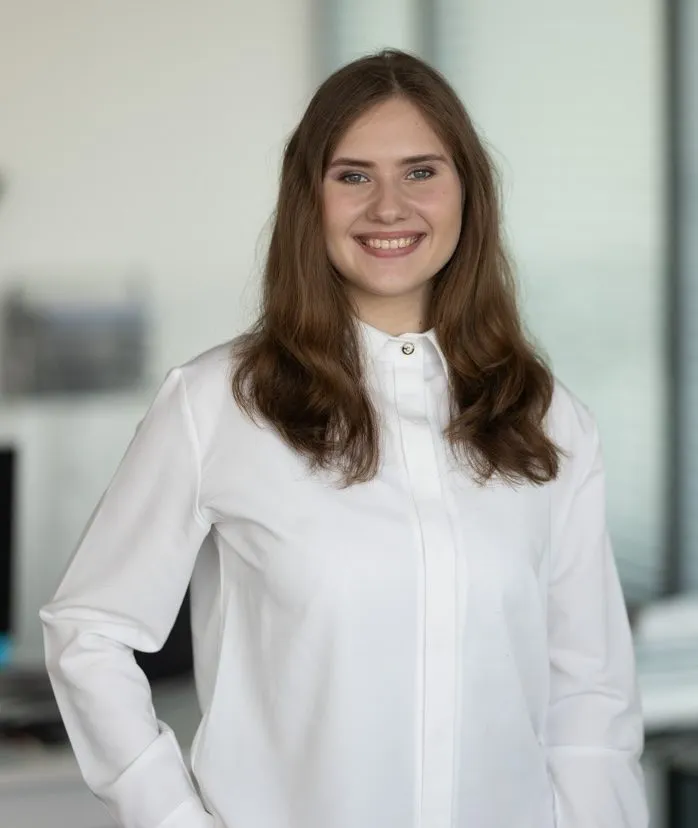
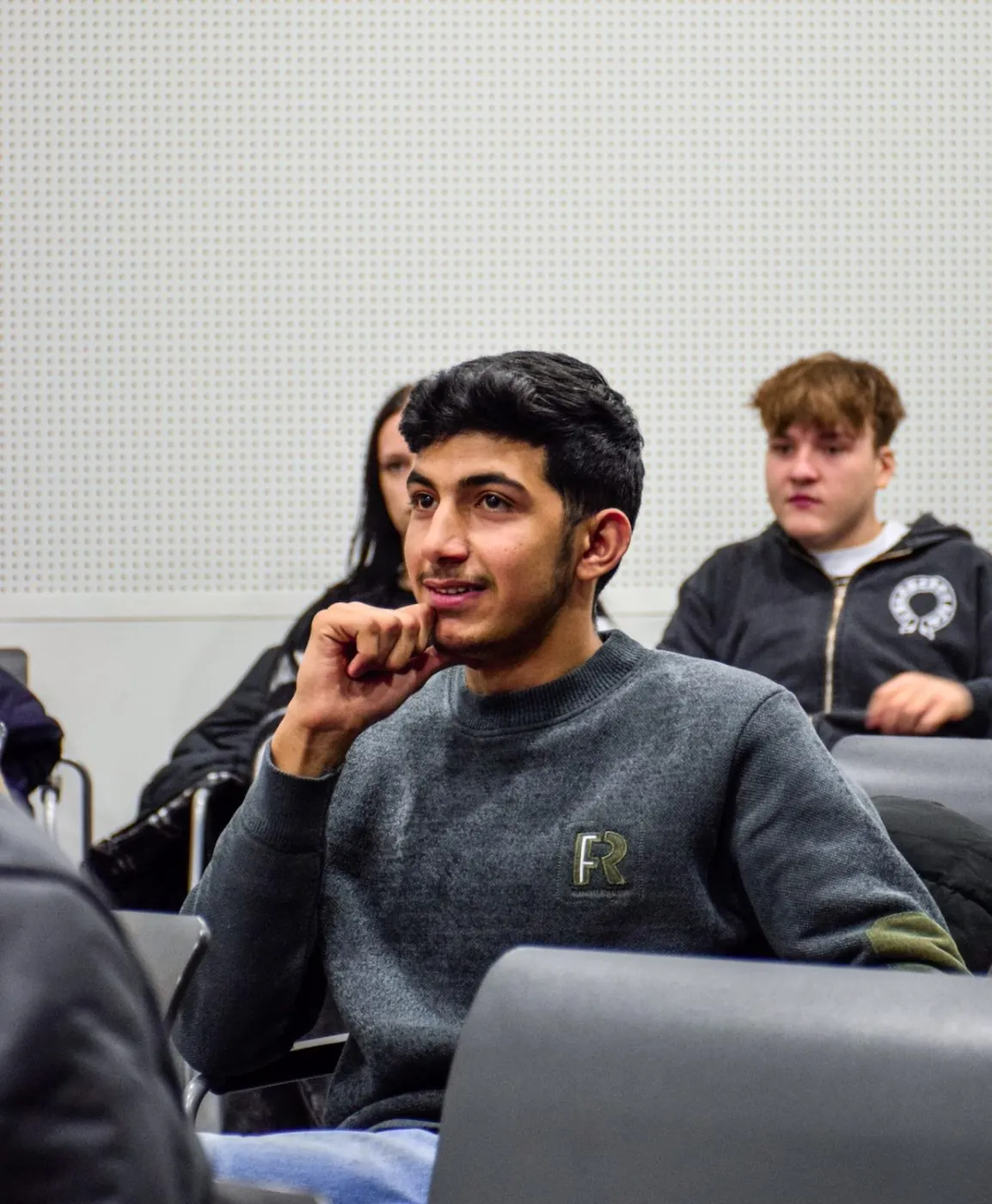
From the outside, everything looks fine.
Hi — if you're reading this, you're probably living in Lithuania. Working. Studying. Building something.
From the outside, everything looks fine.
But inside, it's different. You hear conversations — but don't fully understand them. You want to respond — but hesitate. You are there. But not fully part of it.
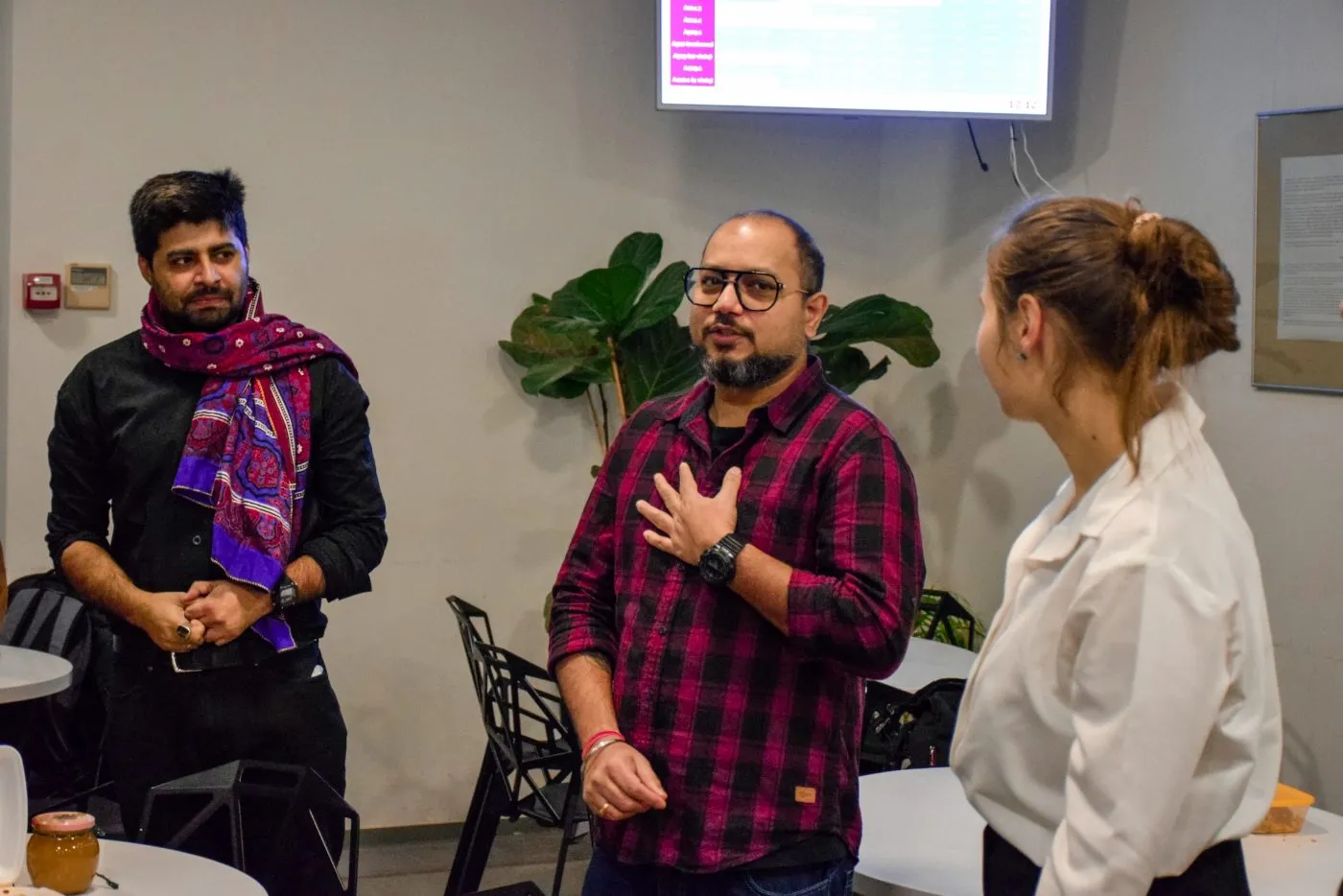
So you try. Apps. Books. Videos.
A few words here. A few phrases there.
But when it's time to speak — it doesn't come out.
You can live in a country for years and still feel like an outsider. Until you start speaking.
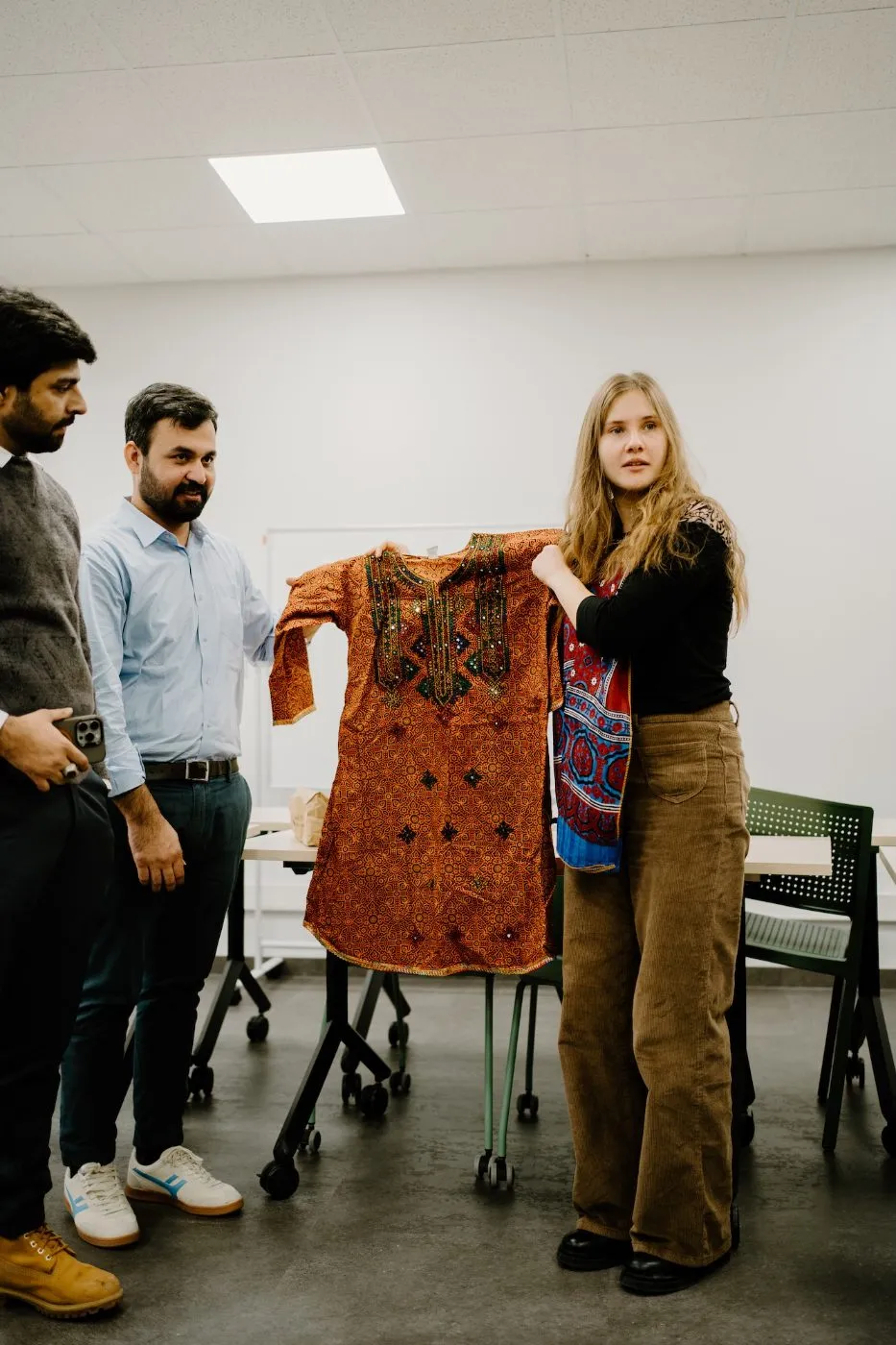
It started with one group.
Estela's international coursemates at university asked her for help. The first one was a student from Pakistan with his friends. They had tried learning on their own. It didn't work. They knew she was teaching. So they asked.
Small. Focused. Practical. People speaking, making mistakes, improving.
Soon, another student — from Bangladesh — helped form the next group. Later, an Indian student, now working in a government role, helped refine the concept of the school.
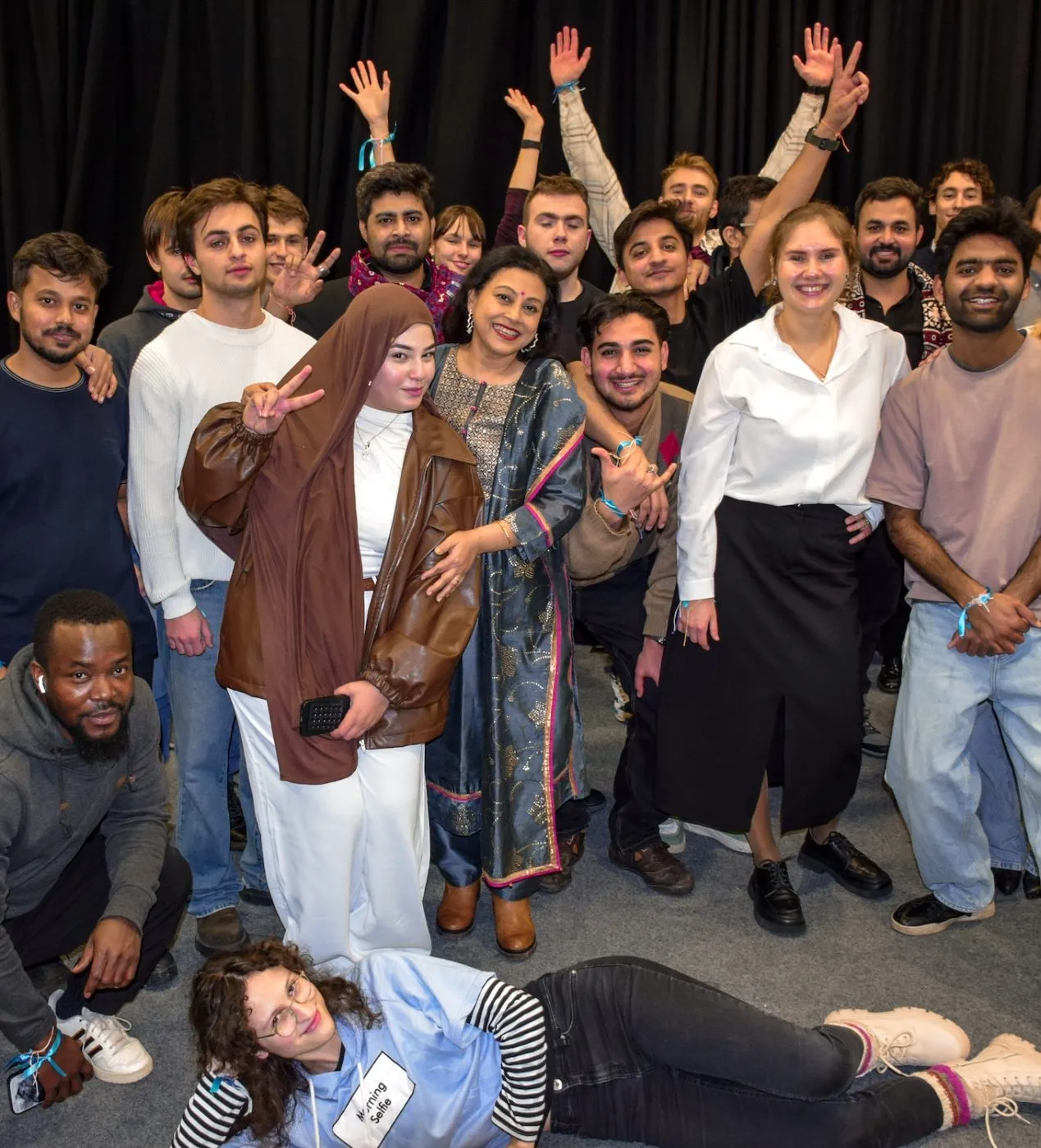
No matter the country, the need was the same.
Then students from across the world joined: India, Morocco, Algeria, Egypt, Nigeria, Pakistan, Ukraine, Belarus, Belgium, Iran, Singapore, and beyond.
Each group formed because someone needed it — and someone else recommended it.
Learning Lithuanian is not about memorising. It's about participating. Asking. Responding. Living.